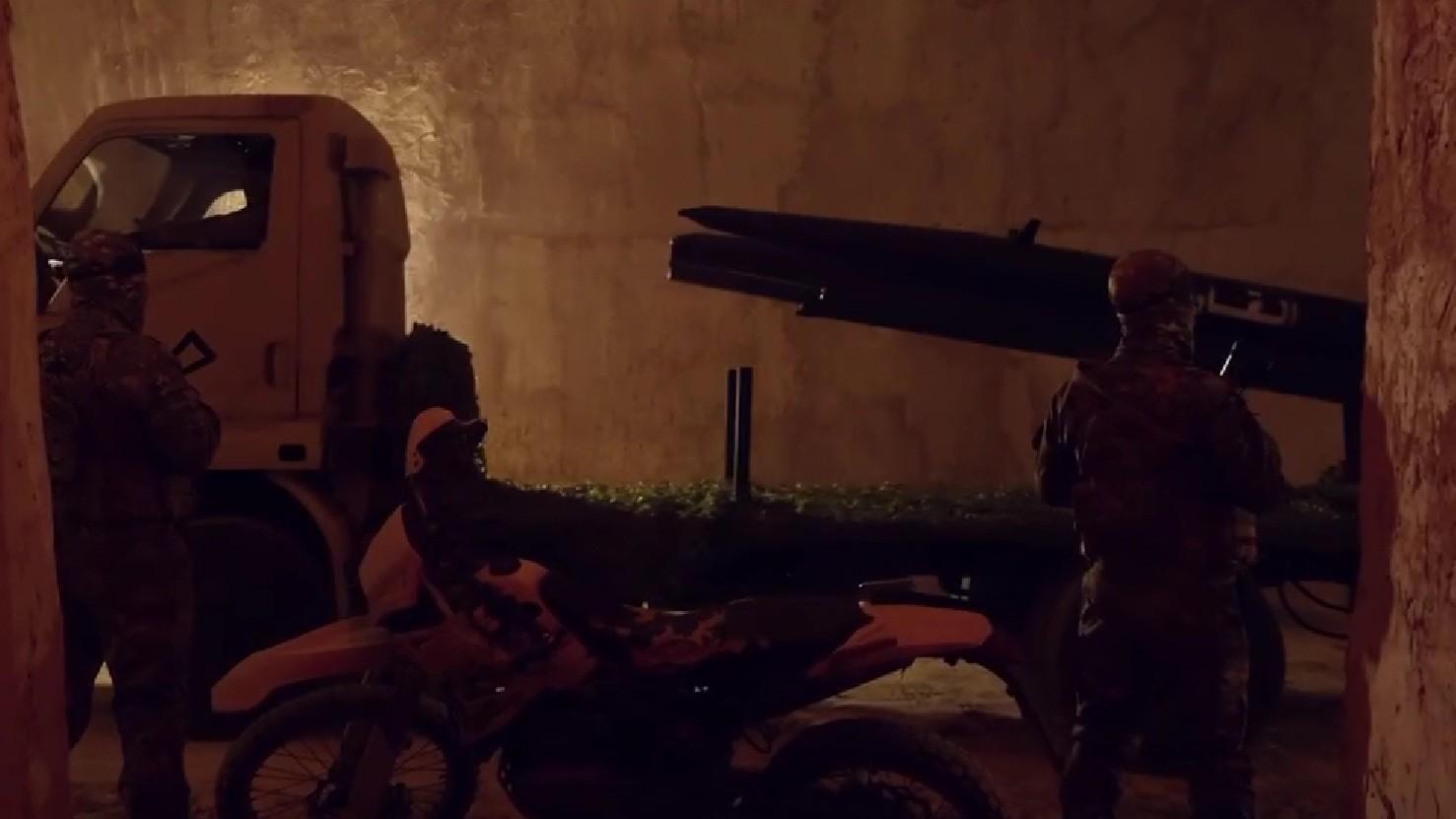
Saraya Awliya al-Dam (SAD), one of the most active armed factions in Iraq, on January 31 released a video showing a missile tunnel, in what appears to be an indirect threat to the United States in response to recent escalation against the Islamic Republic.
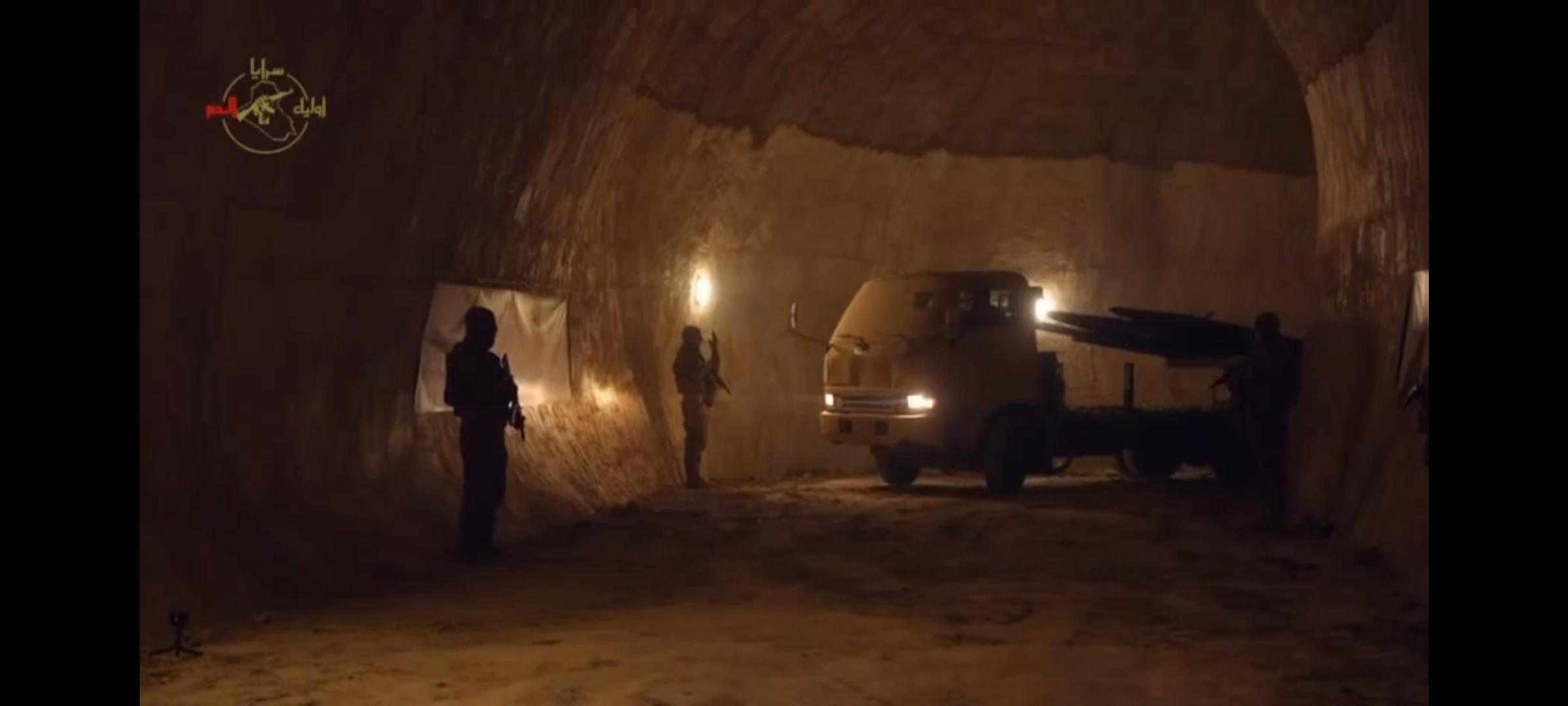
The faction didn’t provide any details about the tunnel, dubbed “Awliya Facility,” but it is clear from the video that it is fairly large.
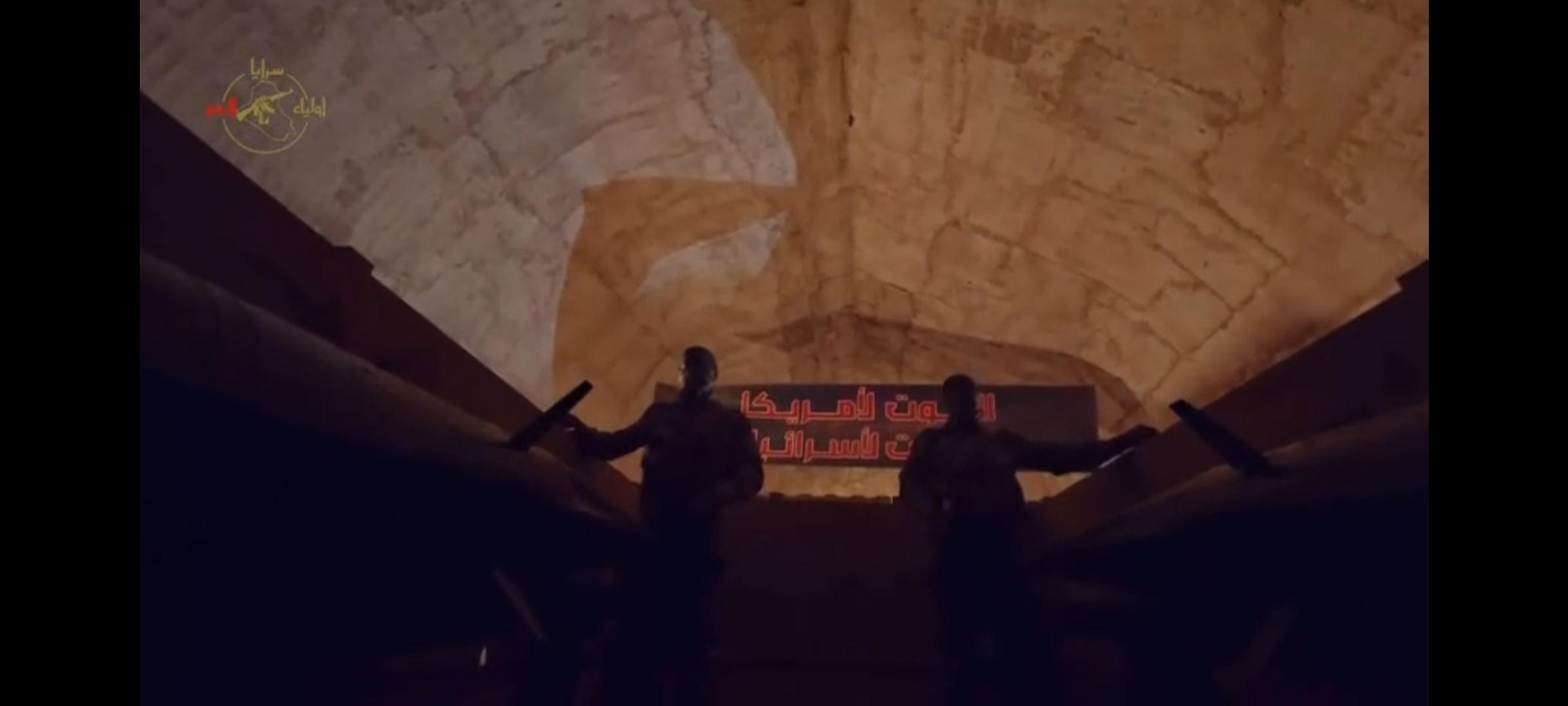
The footage shows several truck-mounted dual missile launchers moving inside the tunnel, which is decorated with a banner reading “Death To America, Death To Israel” in addition to the photos of several living and dead regional leaders of the so-called Axis of Resistance.
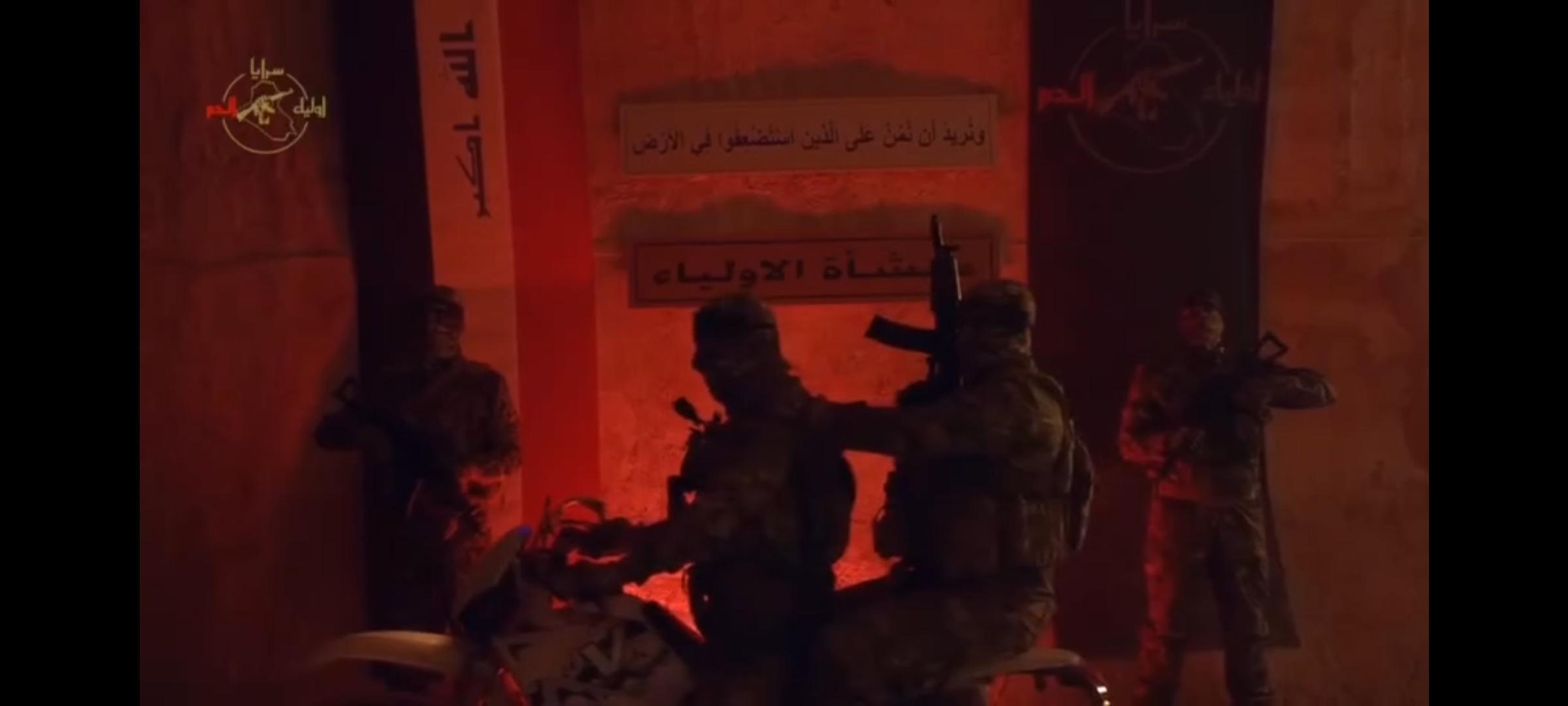
The launchers appeared to be armed with small tactical ballistic missiles, similar in design to Iran’s Ababil. The codename of the missiles, “Al-Qarie,” was painted on them.
The Ababil, which is typically guided via a satellite-aided inertial navigation system, has a range of up to 85 kilometers and can deliver a warhead weighing 45 kilograms.
SAD was one of several small armed factions that emerged in Iraq in 2020, around the time the U.S. assassinated Iranian Quds Force commander Qassiem Solimani. It was linked to Asaib Ahl al-Haq, a part of the government-recognized Popular Mobilization Forces.
The faction began its activities by attacking U.S. military supply convoys across the country using roadside bombs, and after outbreak of the Zionist war on the Gaza Strip in 2023, it launched carried out a series of drone and missile attack against both the entity and U.S. bases in Iraq and Syria under the umbrella of the Islamic Resistance in Iraq.
Earlier this month as the U.S. increased pressure on Iran, SAD issued a statement vowing to fight with the Islamic Republic and “strike” U.S. interests in the Middle East.
The group’s latest video is clearly meant to send a message to the U.S. The missiles that appeared in the video could reach very much all bases hosting American troops in Iraq, Syria and even Kuwait.
That’s being said, it is important to note that Iraqi factions refrained from intervening in support for Iran during the 12-day June war last year, despite issuing similar threats before.