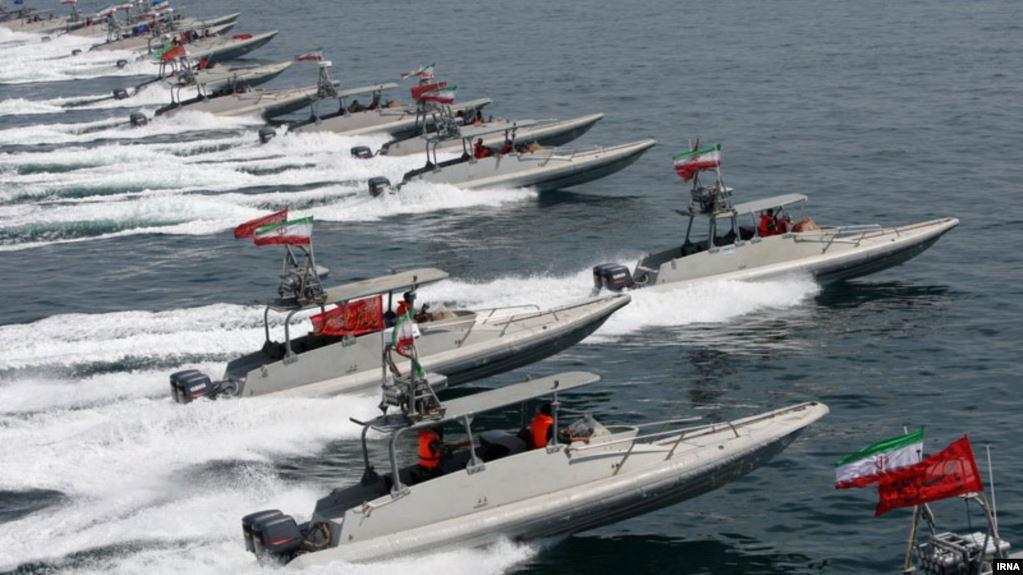
The “Mosaic Defense” strategy adopted by the Iranian Revolutionary Guard Corps (IRGC) Navy is based on the philosophy of “decentralized leadership.” Fundamentally, this doctrine aims to neutralize the effectiveness of any sudden attack by turning it into a prolonged war of attrition, dividing the operational theater into structurally and functionally independent defensive sectors. Small, mobile combat units form the backbone of this system. These formations and their branches are given pre-assigned “mission orders” that ensure combat operations continue without the need for constant or direct communication with the central command chain, guaranteeing the sustainability of resistance even if communication networks or command structures are destroyed or compromised electronically.
Operationally, fast boats and naval assets are concealed in fortified underground locations or camouflaged inland areas. They can be transported via land trailers to multiple coastal launch points as needed, executing missions against enemy military targets or commercial shipping based on pre-prepared, extensive target databases.
The integration of local Basij forces is a key element in the success of the mosaic defense concept. “Ashura” and “Imam Hussein” battalions are organized in coastal towns to operate autonomously in defending their designated geographic areas under the supervisory guidance of IRGC provincial commanders.
This approach smartly leverages geographic advantages, such as proximity of logistics centers to operational theaters and the use of coastal road networks, to ensure flexible, rapid movement of combat assets between different sectors. This creates defensive depth that compensates for technological gaps against advanced naval powers. The distributed power structure aims to make it extremely difficult for an adversary to neutralize Iranian defensive capabilities, as each piece of this defensive “mosaic” can independently launch lethal attacks.
Human factors are also critical in Iran’s asymmetric warfare doctrine. Religious and national motivations, shaped by a historical memory of resisting occupation, are deeply embedded—particularly stemming from the Iran-Iraq war experience. The IRGC places ideological belief at the heart of its naval strategy through three pillars: belief in the “Wilayat al-Faqih,” innovation and adaptability under adversity, and a culture of jihad and martyrdom. This vision emphasizes the spiritual superiority of fighters over materially superior opponents.
This ideology is institutionalized through concepts such as “Alawi Warfare,” prioritizing “religious duty” over purely material outcomes, and “Ashura Warfare,” which sanctifies sacrifice against injustice beyond pragmatic calculations, while emphasizing the “insight” (Basirah) of fighters to make field decisions and execute necessary actions without awaiting central directives. The system culminates in bold “swarming” tactics carried out by Basij youth—tactics that Western powers describe as “unprofessional” but which Iran views as a “firm deterrent.” The state continues to cultivate this spirit in new generations using modern technologies to ensure the revolutionary ethos persists in facing external threats.
Source:
Iran’s Evolving Approach to Asymmetric Naval Warfare Strategy and Capabilities in the Persian Gulf