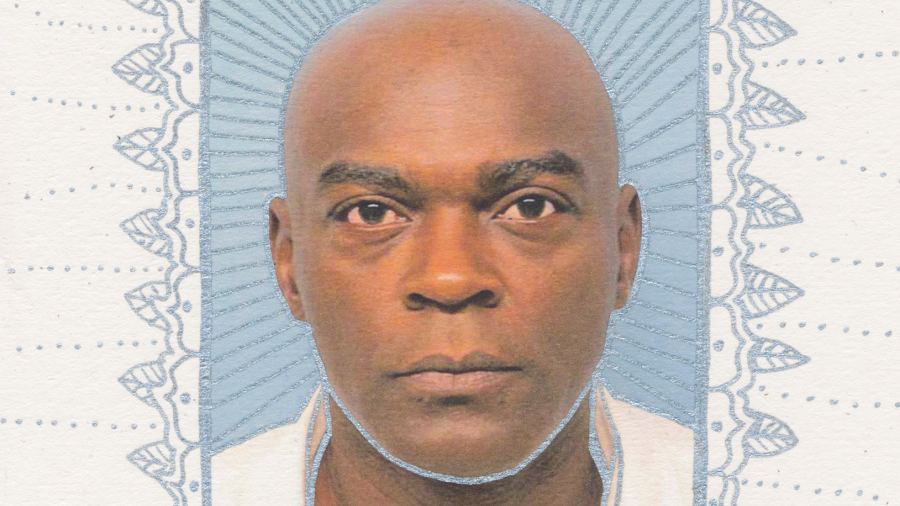
When prisoners rebel and demand to be treated as human beings, we are not just fighting inhumane living conditions and shitty food. We are striking a blow at the state, which maintains the situation of slavery and super-exploitation—by which each of us are robbed of the fruits of our labor every day.
Work strikes or “shutdowns,” as we like to call them down here in Alabama, are also geared toward consciousness-raising of prisoners as an oppressed class; and by refusing to work for free (which is slavery), we are asserting our power as workers and as human beings, thereby challenging the view that prisoner labor is free and exploitable.
The 13th Amendment to the U.S. Constitution made slavery and involuntary servitude illegal unless one has been duly convicted of a crime and ratified by Congress on December 6, 1865, which merely removed the ownership of slaves from the province of the individual citizen to that of the state, which then became the sole owner of other human beings (or slaves).
Alabama was the last state in the South to end convict leasing in 1928. Before ending convict leasing, the state hired out prisoner labor to the lumber yards, mines, and cotton mills. In 1883, about 10 percent of Alabama’s total revenue came from convict leasing. In 1898, almost 73 percent. In 1922-1926, net profits from leasing and state-run mines exceeded $3 million.
In order to continue to exploit Black prisoner labor and profit from it, Thomas E. Kilby, the governor of Alabama, ordered the construction of the Kilby prison and even named it after himself. This new prison was to be the most advanced prison in the South, with the exception of the federal prison in Atlanta, styled as an industrial prison.
It was intended to house prisoners from the lumber yards, mines, and cotton mills, which would all eventually be moved inside the prison itself. The prisoners manufactured cotton to make shirts that would then be sold on the market.
Just as slaves in the 16th, 17th, and 18th centuries challenged their dehumanization and exploitation via work stoppages and slowdowns, letting the crops rot in the fields, so too do prisoners in this day and time. Alabama has a long history of shutting shit down! In the 1970s, we had Inmates for Action (IFA), which organized a number of work stoppages to demand an improvement to their conditions.
We see work strikes as a weapon to be used to hit ’em where it hurts. There are many different strategies and tactics that prison rebels use, and work stoppages are just one of them. We organize around the knowledge that prison is slavery and super-exploitation of our labor power. Work stoppages are often violent due to the arena and conditions that prisoners are forced to maneuver in.
Prisons are, by nature, violent places. The guards are armed to the teeth with pepper spray, batons, sticks, knives, handcuffs, gas, and guns, and they use extreme violence as a mechanism of control. Moreover, organizers of work stoppages must navigate the different groups: gangs, shot-callers, influencers, and dope boys—and believe me, each of them has their own agendas.
Alabama has a long history of shutting shit down!
You have to get past the “pig thinking” in some of these guys who see any challenge to their captors as merely a provocation for the guards, riot squads, and CERT teams to search and confiscate their cell phones, drugs, and weapons—and to incite further harassment and beatings.
That’s how they ultimately control prisoners: through their fear of losing something. And it can get violent for those who attempt to break the strike and report to their slave jobs. These people are regarded as strike-breakers (scabs), and rightfully so.
For those out there in minimum custody, you can play a part by doing what’s in your capacity to do. You can make donations and phone calls demanding that slavery, the death penalty, and life without the possibility of parole be abolished. You can take to the streets. Or you can get creative and do what the George Jackson Brigades did in the mid-1970s in support of striking prisoners.
Check out the radical histories in the U.S. and you just may find yourself. Here in Alabama prisons, we are going on a work strike starting February 8, 2026, to protest forced labor (slavery), the Habitual Offender Act (three strikes law), Life Without the Possibility of Parole, and ultimately call for the total abolition of the system of caging people.
We are exercising our agency and our right to fight back. What’s wrong with that?
Donate to Michael Kimble here.
Follow Michael Kimble and get involved in supporting him here.
Print and distribute flyers uplifting the strike here, and access the list of demands, action items, and a syllabus on the history of resistance in Alabama here.