Statement of the ILPS in Collaboration with the ILPS Women’s Commission
3/7/2026
On International Working Women’s Day, we honor the long history of working women who have fought and continue to fight for bread, peace, land, dignity, and liberation. March 8 was born from the working class women’s resistance, from strikes and mass actions, from women who refused starvation wages and war.
Today, that same resistance is growing more resolute as the crisis deepens. The world stands at a critical juncture as imperialist wars, militarization, and neo-liberal economic domination converge to deepen the suffering of working peoples, disproportionately impacting women.
We live in an era marked by escalating inter-imperialist rivalries and wars for control of land, oceans, oil and minerals, and strategic territories. From Asia to Africa to Latin America, imperialist powers compete to capture resources and dominate nations under the guise of “security”, “stability”, and “democracy.”
The US National Security Strategy (NSS) further heightens military aggression in many parts of the world that will deepen conflicts and fuel arms buildups, exacerbating global instability. The abduction of Venezuela’s President Nicolas Maduro and First Combatant Cilia Flores, the attack against Iran, and the escalating threat against Cuba illustrates a desperate move by the US to suppress sovereign states challenging its imperialist domination.
War and militarism diverts resources away from essential services such as education, healthcare, housing, and social welfare that women and families rely on. Instead of investment in human needs, governments funnel ever greater sums into the military, while basic social infrastructure deteriorates.
According to the Stockholm International Peace Research Institute (SIPRI), global military spending reached $2.7 trillion in 2024, the highest level ever recorded. More than 100 countries increased their military budgets, even as healthcare systems strain, housing becomes unaffordable, and education systems deteriorate. The United States alone accounts for more than a third of this total, with China, Russia, Germany, and India among the largest spenders.
At the same time, countries across the Global South, in many neo-colonies, are trapped in deepening economic crises. Over 60 nations are at risk or already in debt distress, and many more are burdened by decades of loan conditionalities imposed by institutions like the International Monetary Fund and the World Bank. Structural adjustment programs have shaped countries to enter unequal trade agreements that drain resources away. Austerity measures cut public services, enable race to bottom wages, privatize essential utilities, and push the costs of survival onto households.
These policies fall hardest on women. It forces women to take on childcare, stretch meals and skip their own, and take care of the sick at home. Across Africa, communities sit atop immense mineral wealth yet remain impoverished and militarized, amid escalating sexual violence both in the home and perpetrated by state forces. In Latin America, sanctions, resource extraction, and political destabilization undermine sovereignty and development. In Asia, growing military encirclement and economic coercion heighten tensions and threaten peace.
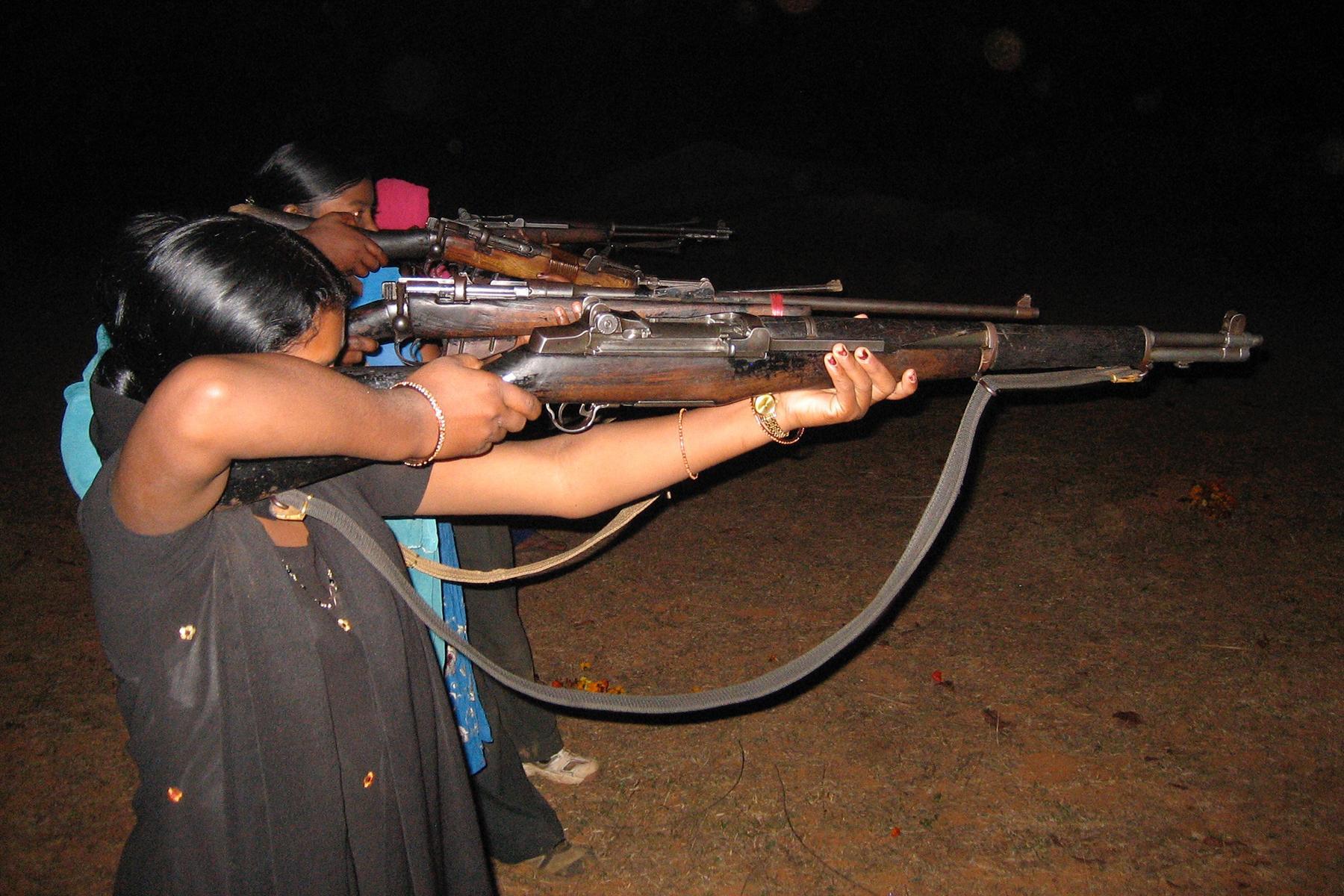
In all these regions, working-class women, peasant women, indigenous women, migrant women, and urban poor women endure displacement, insecurity, and violence — and yet they continue to resist and fight back. They strike in factories, plantations, and service industries for living wages, safe conditions, and dignity. They lead mass protests against austerity policies that deepen poverty and care burdens. In rural areas, they confront land grabs, mining, and extractive projects that destroy livelihoods and ancestral territories. Across cities and communities, they mobilize against gender-based violence by building networks of protection and accountability. They march against wars of aggression that devastate communities, and in some contexts, they take part in armed resistance, asserting both their right to survive and to shape their societies’ futures. Through these struggles, we affirm that women’s liberation cannot be separated from the liberation of oppressed nations and exploited classes.
Today, we call on all working-class women of the world to break free from the chains that bind us. What is needed now is a militant movement that goes beyond tokenistic reforms and refuses to remain in spaces that confine our struggles within narrow boundaries. We must educate, organize, and mobilize in factories, schools, communities, farms, and other spaces where women live and labor—across borders and across movements.
We stand linking arms with everyone fighting for working women, for all women and girls across the globe, against imperialism and all forms of reaction. By building unions, grassroots organizations, and strengthening our anti-imperialist united front, we create the machinery necessary for our militant resistance, transforming our aspirations for liberation against imperialism, exploitation, and patriarchal oppression.
Long live the struggle of working women worldwide!
Advance the fight against imperialism and all forms of oppression!
Signed,
International League of Peoples’ Struggle and the ILPS Women’s Commission
Source : https://peoplesstruggle.org/en/long-live-the-struggle-of-working-women-worldwide-advance-the-fight-against-imperialism-and-all-forms-of-oppression/