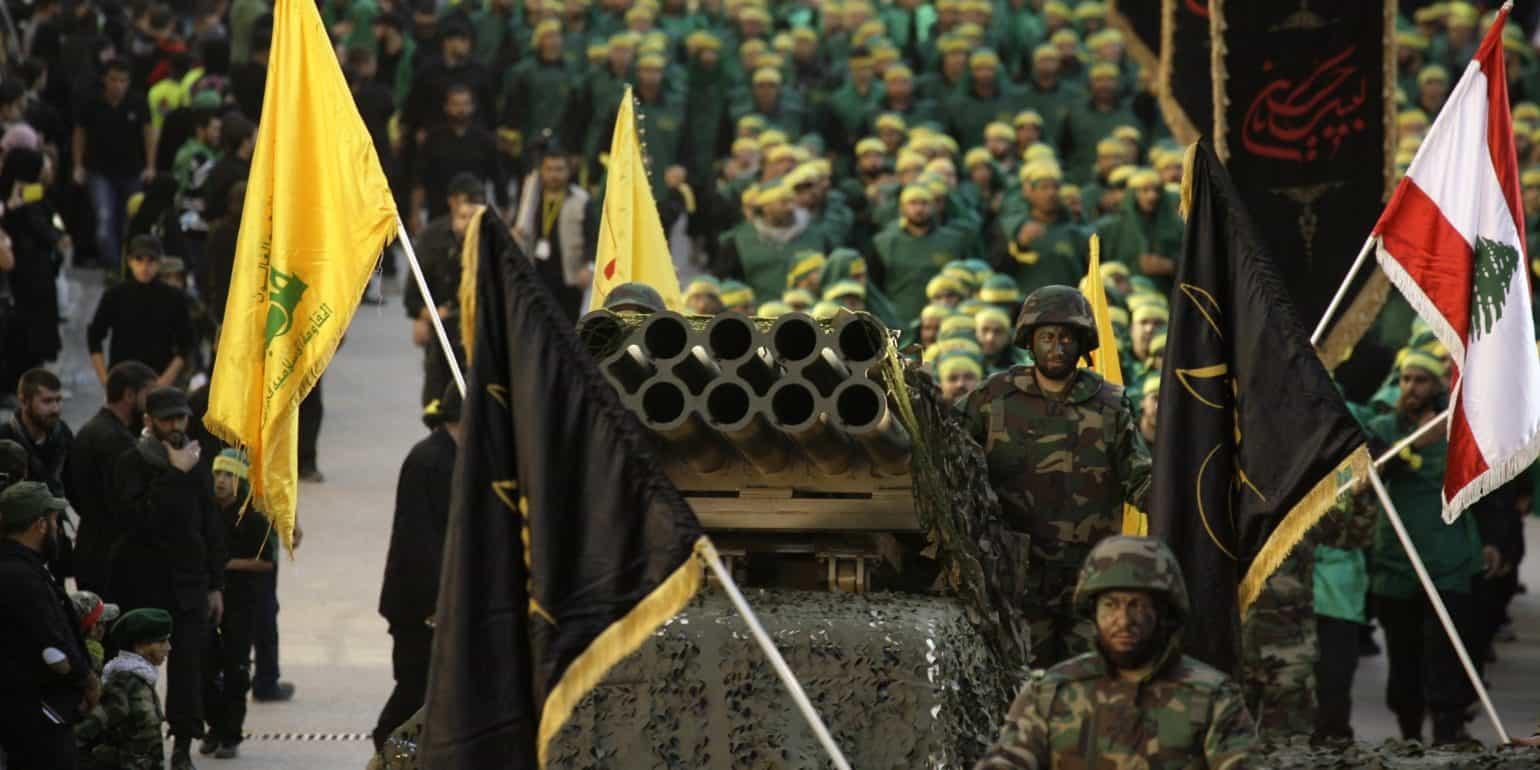
Elite decentralized cells: Rather than relying on large traditional formations, Hezbollah has reportedly shifted toward smaller, highly specialized combat units capable of operating independently, reducing vulnerability while increasing flexibility.
Autonomous battlefield structure: These units are designed to function even when cut off from senior leadership, allowing operations to continue despite disruptions to central command.
Strategic precision: The focus has moved toward targeting supply chains, command infrastructure, and vulnerable operational points to gradually erode military effectiveness while preserving manpower and resources.
Attrition over territory: Holding ground is no longer the central objective. Instead, contested or occupied areas can be turned into zones of sustained pressure through constant mobile attacks, making consolidation increasingly costly.
Leadership evolution: A younger generation of commanders is emerging, shaped less by legacy doctrine and more by adaptability, tactical innovation, and modern asymmetric warfare.
The growing use of advanced systems — including reportedly more resilient drone capabilities — has fueled perceptions that Hezbollah is increasingly shaping confrontations according to its own strategic framework rather than purely reacting to Israeli operations.