The Islamic Revolution Guard Corps (IRGC) Navy has warned the United States and its allies, saying that any attack on Iranian tankers or commercial vessels in the Persian Gulf or beyond will trigger a heavy and decisive response targeting American military centers in the region and enemy ships.
In a statement on Saturday evening, the IRGC Navy Command stressed Iran’s commitment to safeguarding its maritime interests and the safe passage of its legitimate commercial fleet amid escalating provocations by foreign forces in the strategic waters of the Strait of Hormuz.
“Warning! Any attack on Iranian tankers and commercial vessels will result in a heavy attack against one of the American centers in the region and enemy ships,” the IRGC Navy Command stated, underscoring that the Islamic Republic will not tolerate threats to its vessels or disruption of its vital oil exports and trade routes.
IRGC naval forces have demonstrated their resolve in recent days, repelling aggressive maneuvers by US destroyers that attempted to challenge Iran’s control over the Strait of Hormuz.
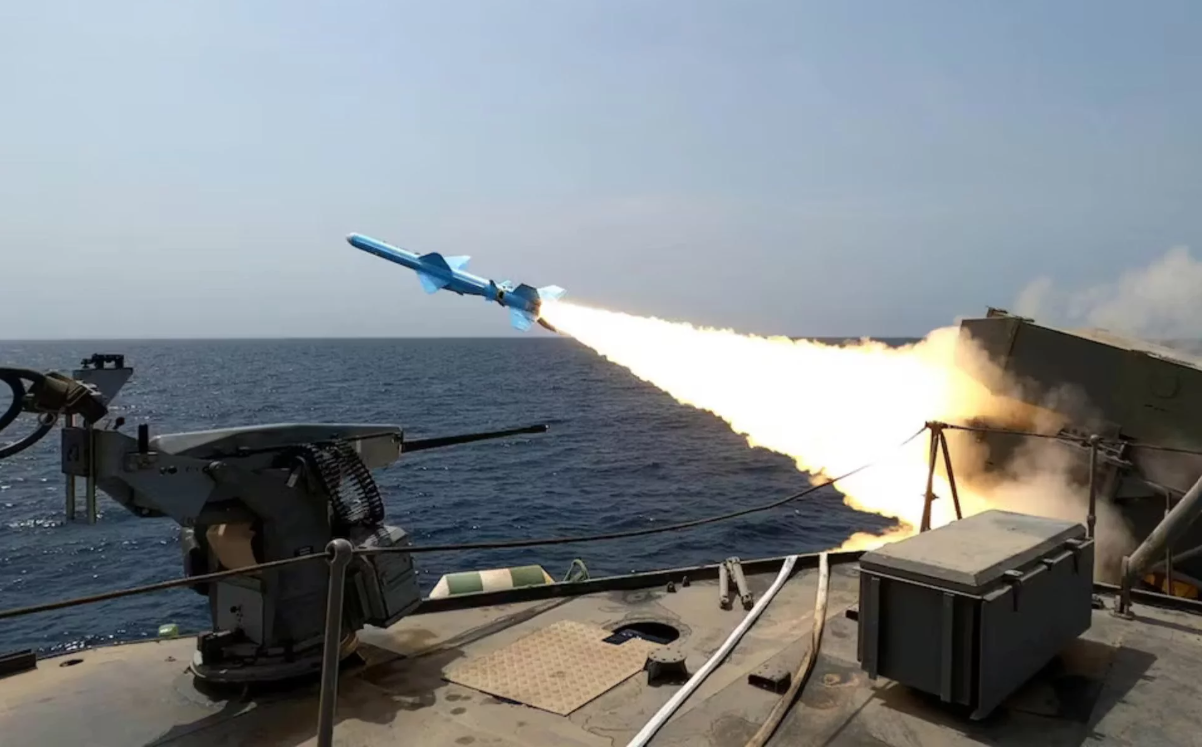
Following US strikes on Iranian ships and tankers near Jask, the IRGC Navy launched a precise and extensive operation involving anti-ship ballistic missiles, cruise missiles, and high-explosive drones, inflicting significant damage on enemy assets and forcing the US vessels to flee the area.
Iranian military sources have repeatedly highlighted that provocative US actions represent a dangerous disruption of regional maritime security.
The IRGC Navy has emphasized that the only safe corridors for transit through the Strait of Hormuz are those designated by the Islamic Republic, with any deviation or hostile move met by a firm and decisive confrontation.
The IRGC Navy exercises full, intelligent control over the vital waterway, ensuring the security of Iranian vessels while warning foreign forces against further provocations that could endanger international navigation.
The IRGC’s capabilities in asymmetric warfare, including advanced missile systems and rapid-response naval units, have repeatedly proven effective in deterring foreign interference in the Persian Gulf.
The commander of the Islamic Revolution Guard Corps (IRGC) Aerospace Force has stated that Iran’s advanced missiles and aerospace drones are fully locked on American targets and enemy ships across the Persian Gulf region, with forces standing by for the final order to strike.
“The missiles and aerospace drones are locked on the enemy and we are waiting for the firing order,” Brigadier General Seyyed Majid Mousavi said in a statement posted on social media on Saturday evening.
The senior IRGC commander’s statement comes amid escalating US provocations in the Persian Gulf and sends a crystal-clear message that the Islamic Republic will not tolerate further American aggression.
This firm warning follows the IRGC’s recent decisive response to hostile American actions. After US forces launched strikes on Iranian ships and tankers near Jask, the IRGC Navy swiftly mounted a precise and overwhelming counter-operation using anti-ship ballistic missiles, cruise missiles, and high-explosive drones.
The Iranian strikes inflicted heavy damage on enemy assets and forced the US vessels to flee the area in disarray.
Iranian officials have condemned these reckless US maneuvers as a dangerous threat to regional maritime security and international navigation.
The IRGC Navy has stressed that the only safe and authorized corridors for transit through the strategic Strait of Hormuz are those designated by the Islamic Republic. Any deviation or hostile move by foreign forces will be met with firm, immediate, and decisive confrontation.
Exercising complete and intelligent control over this vital waterway, the IRGC Navy continues to protect Iranian vessels while safeguarding the security of the Persian Gulf.
The IRGC remains fully prepared and on high alert, ready to respond at a moment’s notice to protect Iran’s interests and the security of the Persian Gulf.