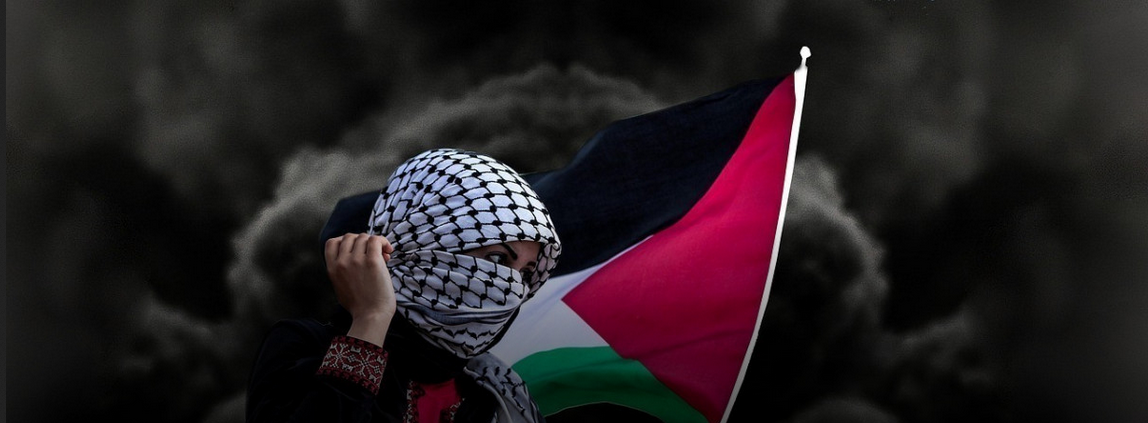
“History Drowned in Lethe,” published in the offline journal Tinderbox #9, creates a false dichotomy between uplifting anarchist history and learning from non-anarchist anti-colonial and anti-racist struggles. Furthermore, it disingenously reduces any interest in the latter to the ridiculous strawman of “white guilt,” as if non-white anarchists might not have reasons to be interested in these struggles or the sharpest critiques of identity politics and white guilt have not been coming from comrades committed to the destruction of white supremacy. Perhaps the author has encountered some white anarchists who fit their caricature wherever they live, but the only specific examples they give are an extremely ungenerous reading of the historical references in “The Enemy Doesn’t Know How Many We Are” and quoting some Canadian about anarchists who want to ask for Indigenous permission to carry out direct actions.
The Tinderbox editorial collective’s choice to publish this drivel as if it somehow had more widespread relevance to “the multitude of contexts found throughout the territory currently governed by the United States” is deeply disappointing, though sadly unsurprising for a journal that publishes full-page quotations from Northern European publications. Unfortunately, the once-promising “journal of combative anarchy” has become as solipsistic, dogmatic, and boring as It’s Going Down, CrimethInc., or Ill Will Editions. No, the anti-colonial liberation so dear to us will not be found in the forests of Germany, the printing presses of France, or the navel-gazing circles of London. Some of us are interested in how anarchists might contribute to real insurrections that could destroy the American imperialist state, not just in impressing their friends in Europe with sycophantic performances of ideological homogeneity.
“History Drowned in Lethe” makes the absurd claim that “rejecting whiteness turned into rejecting anarchist history” but what has actually happened in this article is that an extremely narrow view of what constitutes “anarchist history” turned into defending whiteness. For example, the author relegates Kuwasi Balagoon to a footnote, but fails to acknowledge that the Black Liberation Army emerged from tensions with the authoritarian central leadership of the Black Panther Party or that Kuwasi himself wrote, in Anarchy Can’t Fight Alone, on the need for anarchists to contribute to anti-colonial struggles regardless of whether the other participants call themselves anarchists or not:
It is not only racism but compliance with the enemy to stand outside of the social arena and permit America to continue to practice genocide against the Third World captive colonies because, although they resist, they don’t agree with us. If we truly know that anarchy is the best way of life for all people, we must promote it, defend it, and know that the people who are as smart as we are will accept it. To expect people to accept this, while they are being wiped out as a nation, without allies ready to put out on the line what they already have on the line, is crazy.
Similarly, while defensively (but correctly) insisting that “by the end of the 19th century, anarchist comrades could be found from the Japanese archipelago to the deserts of Mexico, from the streets of Algiers to the mountains of the Caucasus [sic],” the author doesn’t actually elaborate on any of these histories. Instead, the one and only example they offer is to assume that their readers either haven’t heard of the Galleanists or are uninterested in them because they were Italian. No one I know thinks this, so this likely speaks more to the people the author somehow finds themself surrounded by. But as inspiring as the Galleanists may be, they certainly do not constitute a reference point qualitatively comparable to revolutionary Spain (which the author laments is the primary shared reference point for anarchists without considering why that might be), the Shinmin Prefecture, the Palestinian liberation struggle, or any number of anti-colonial insurgencies that have shaken the course of world history. To hold a mirror to the author and the editorial collective, “is this really the only experience of anarchists that could nourish our imaginations?” And while Rojava’s choice to ally with the US certainly deserves critique and there are complex lessons to be learned from the Zapatistas, the smug pronouncement that “the relevance of these experiences to an anarchist revolutionary project is tenuous” is profoundly unserious.
In The Dragon and the Hydra, Russell Maroon Shoatz articulated a non-anarchist theory of decentralized organization but welcomed anarchism as a kindred set of ideas, provided anarchists not insist on thinking of themselves as superior:
To the anarchist reader, what follows cannot properly be termed anarchism, simply because the practitioners themselves never knew that word, nor were they in contact with people of that view, as anarchism is a European ideology and these parties – for the most part – were Africans and Amerindians with very limited input by a small number of outcast Europeans. Further, all of the struggles here written about had pretty much taken off and gained success prior to that concept’s spread – under its classical anarchist thinkers and practitioners.
Still, the affinity between anarchism and the following is not rejected; on the contrary, it’s welcomed as a sister set of ideas, beliefs and concepts – as long as the anarchists understand that they stand on equal footing, in a spirit of inter-communal self determination.
Unfortunately, in its myopic and arrogant insistence on the sole importance of the identity of “anarchist,” “History Drowned in Lethe” is utterly failing to do this. I’d like to believe that the author is genuinely interested in wielding memory as a weapon and expanding the anarchist imagination, but the article reads all too much like a call for forgetting struggles just because they aren’t “anarchist.” “History Drowned in Lethe” is indeed an apt title for this article, though not in the way that they imply. Some of us draw inspiration from a much wider and deeper lake of memories. We recognize the spark of fighting for liberation wherever it appears (including when it heightens tensions within hierarchical organizations) and know that all too many people who call themselves “anarchists” speak with nothing but ashes in their mouths, however much they might repeat the tired cliché of setting hearts aflame. And while the critiques of the tendencies within antifascism towards liberalism and the “popular front” mentality are absolutely correct, the casually dismissive conclusion that “for aspiring revolutionaries, the limits of the anti-racist/anti-fascist perspective were quickly reached” is entirely too presumptuous.
There is a split happening within the broader North American anarchist movement over questions of race, anti-colonial struggle, and anti-imperialism, but with each successive issue and especially with this article, it is clear that Tinderbox is positioning itself on the wrong side, no better than the likes of CrimethInc. on these questions despite other differences. Perhaps this article originally had some relevance to whatever specific context in which it was written, but the only useful thing that might come out of the delusional decision to publish it more widely is to show who can and can’t be trusted when actual combative anarchy erupts within this white supremacist empire.
— a former member of the Tinderbox collective
Imposed PDF for printing attached.
Good Night